
Mobile App or Progressive Web App? How to Choose the Right Option for Your Business in 2026
"Should we build an app?" is one of the most common questions we get, and the honest answer is: it depends on what you actually need it to do.
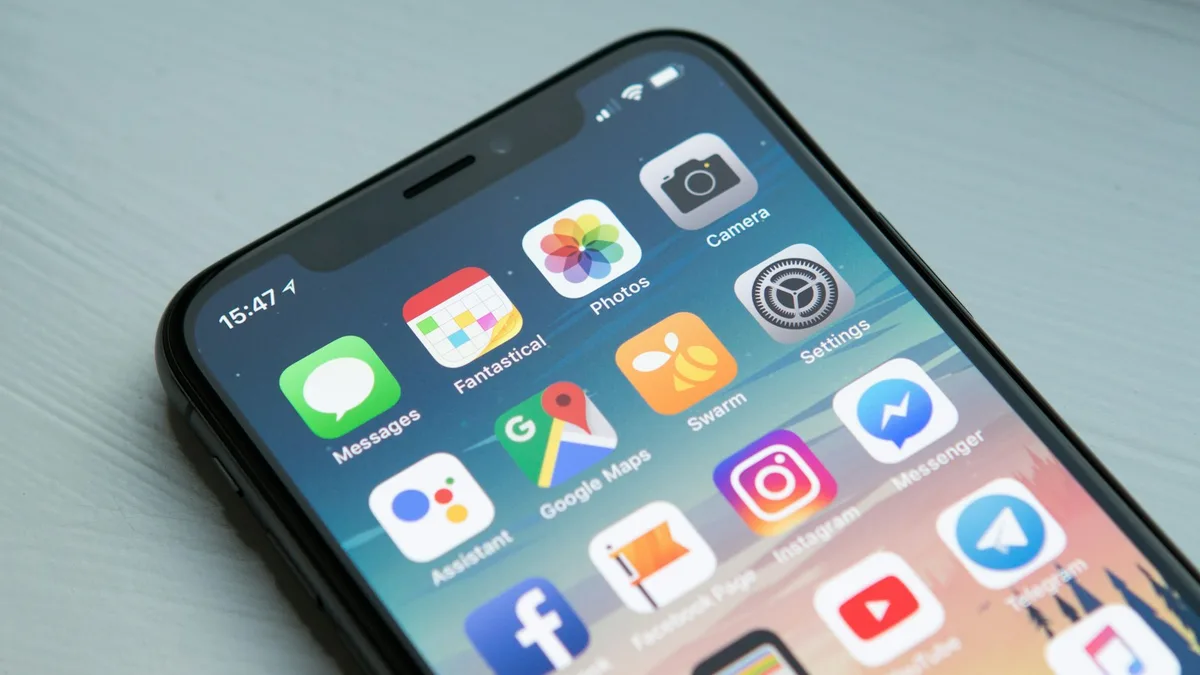
A native app feels like the default answer when a business wants "an app," but it's often not the right first move. A progressive web app (PWA), a website that behaves like an app, can be added to a home screen, and works offline to a degree, covers a lot of the same ground for a fraction of the cost and timeline. Here's how to actually decide.
What Each Option Actually Is
Native (or Cross-Platform) Mobile App
Built specifically for iOS and Android, distributed through the App Store and Google Play, and able to use the full range of device features: push notifications, camera, Bluetooth, background location, biometric login, and deep OS-level integrations. Cross-platform frameworks like React Native and Flutter let you share most of the code between iOS and Android, which reduces cost compared to building each natively from scratch.
Progressive Web App (PWA)
A website built to behave like an app: it can be "installed" to a home screen with one tap, works offline for content that's already loaded, and sends push notifications on most Android devices (iOS support is more limited). There's no app store review process, no separate iOS and Android codebases, and updates go live instantly, no waiting on app store approval.
Questions That Actually Decide This
Do you need deep device features?
If your product depends on background location tracking, Bluetooth hardware pairing, biometric authentication, or heavy offline functionality, you need native. A PWA can't fully replicate these.
Does app store presence matter to your customers?
For some businesses, being discoverable in the App Store or Google Play is part of how customers find and trust you. For others, customers arrive through a website, social link, or ad, where a PWA works just as well and installs faster.
What's your budget and timeline?
A PWA is typically faster and cheaper to build and maintain, one codebase instead of two, no app store review delays. If budget is a real constraint, it's worth reading what actually drives the cost of a custom website or app before committing to native development.
How often will you update it?
PWAs update instantly, the moment you deploy, everyone sees the new version. Native apps go through app store review each time, which can add days to every release. If your product needs to ship fixes and features quickly, that's a real point in the PWA's favor.
A Simple Rule of Thumb
If your app is primarily about delivering content, taking orders, booking appointments, or providing account access, a PWA usually covers it well and gets you to market faster. If your product depends on deep hardware access, needs to work fully offline, or app store presence is core to your growth strategy, native development is worth the extra investment. Some businesses start with a PWA to validate demand, then invest in a native app once they've proven it's worth the extra cost, a path we walk through in more detail in our realistic timeline for building a website or app.
Not sure which one fits your business?
Tell us what you're trying to build, we'll give you an honest read on native vs. PWA before you commit to either.
Frequently Asked Questions
What's the difference between a native mobile app and a progressive web app?
A native app is built for iOS or Android and distributed through app stores. A PWA runs in the browser, can be added to a home screen, and installs instantly without an app store.
Is a PWA cheaper to build than a native app?
Generally yes, since it's one codebase across devices. The right choice depends on the features and store presence your business actually needs.
Does Fox Developer build both native apps and PWAs?
Yes. We build with React Native, Flutter, Swift, Kotlin, and progressive web apps, and help you decide which fits before committing.